
Most practitioners start the same way: they fall in love with one instrument, learn to play it well, and begin offering sound baths to friends, then small groups. There is no single required path. What matters is what your listeners feel: steady playing, a sense of pacing, and the confidence to hold a room for an hour.
This guide covers the things to work on: whether you need a certificate, choosing your first instruments, adding to a collection you already have, learning to play with intention, and getting real practice with other players.
If you already lead sound baths with bowls or gongs, the monochord is the natural next step. Its long, layered wash of overtones fills the space between other instruments and gives your sessions a foundation to build on.
Do you need training or a certificate?
In the United States there is no license or official certification required to lead a sound bath. Many programs offer their own certificates, and they vary widely in length and depth. What a good training gives you is skill and confidence, not a legal permission.
Before you choose a program, ask what you will be able to play at the end of it, who is teaching, and how much time you spend with an instrument in your hands. If you work in a licensed field such as music therapy or massage, check with your own credentialing body about what counts toward continuing education.
We do not certify practitioners. Our feeltone monochord training is hands-on instruction in one instrument with feeltone's official USA trainer, and participants receive a certificate of attendance.
Choosing your instruments
You do not need a room full of instruments to begin. Start with one that carries a session on its own, then add other voices for contrast.
A foundation: the monochord

A monochord gives a continuous bed of sound that you can hold for a long time without strain. All its strings are tuned to one harmony, so there are no chords to learn. See feeltone monochords or use the monochord buying guide to compare sizes and tunings.
A bright accent: chimes

Chimes such as Koshi or Zaphir add sparkle at the opening and closing of a session. You can hear how the four Koshi Earth Symphony chimes layer together in our online chime player. See all Koshi and Zaphir chimes.
A gentle melody: kalimba or Sansula
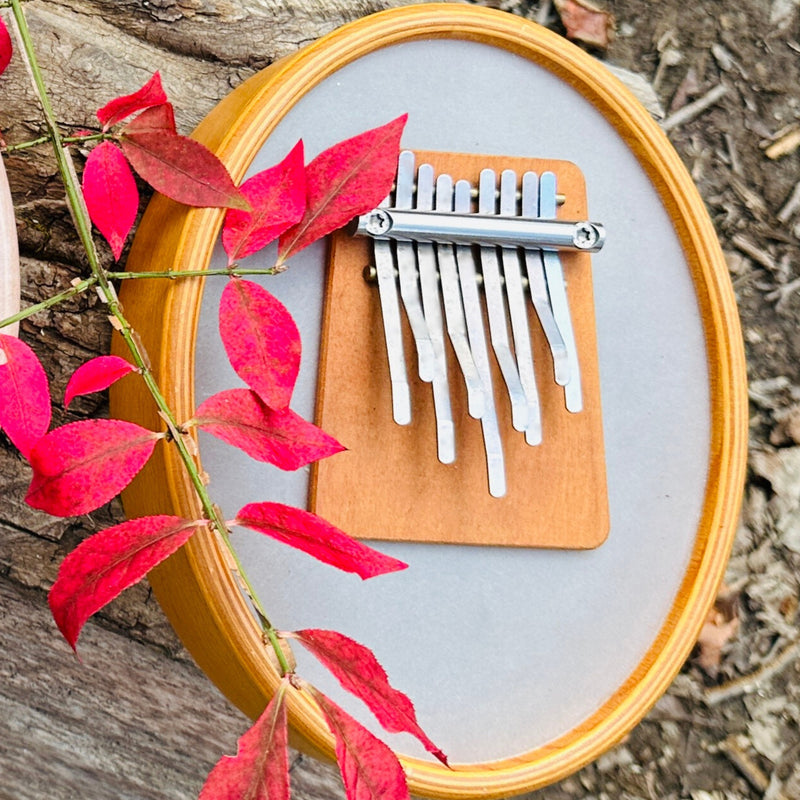
A kalimba or Sansula brings a soft, close sound for quiet moments. The Sansula is a kalimba mounted on a drum head, which lets each note ring longer and lets you shape the sound by moving the instrument. See Hokema kalimbas and Sansulas.
A shimmering pulse: the Kigonki binaural gong drum

The Kigonki is a steel tongue drum with eight tuned tongues on the front and eight matching tongues on the back that answer them. The result is a long, moving sustain with a gentle pulse, somewhere between a drum and a gong. It has no wrong notes, and you can play it on your lap or a table, hang it from a gong stand, or move it through the room by its handle. See the Kigonki binaural gong drum.
Browse all our sound bath instruments, or read about the easiest instruments to learn as an adult if you are starting from zero.
Already have instruments? Add ones that match

Many practitioners already own bowls, a gong or a few chimes and want to add to them. The question is always the same: will the new instrument blend with what I have? Instruments sound good together when they share a tuning.
That is why we color coded our Intuitive Soundscapes Collections. Monochords, kalimbas, chimes, tongue drums and the Kigonki are grouped into four tunings, each with its own color: yellow for A-minor, blue for D-minor, green for C-Major and red for G-Major. Find the tuning of your main instrument, pick that color, and everything in the group will blend with it.
See the Intuitive Soundscapes Collections
Not sure which tuning fits your collection? Book an in-depth online consultation on Zoom for $150. We look at the instruments you already have and what you want to add. You receive the consulting fee back as store credit, which you can apply toward your purchase.
No music background? Start with rhythm
Many sound bath practitioners have never studied music, and you do not need to read notes to play well. What helps most is a steady sense of rhythm and pacing. Teacher Brandon Blake's free Wellness Percussion videos teach simple rhythm to non-musicians, starting with your hands.
Learning to play, with other players
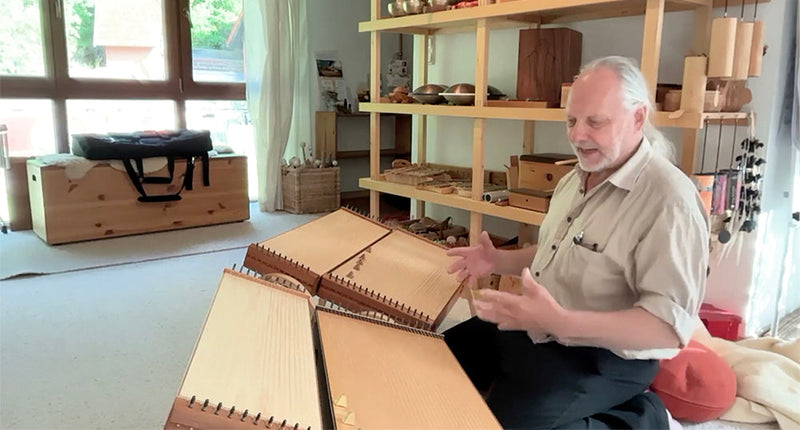
Skill comes from playing regularly and from watching how others do it. Monochord Monday is a free monthly meetup on Zoom where monochord players share their techniques and lead a playing session. When you sign up you also get access to a library of 98 videos from past meetups.
When you are ready to go deeper, the feeltone monochord training is a 65-hour course in two levels, with small in-person retreats and a live online option.
Your first sound bath: a simple outline
- Arrive (5 minutes). Welcome people, help them get comfortable, and say what to expect.
- Open (5 minutes). Begin quietly with a chime or a few soft notes.
- Build (20 to 30 minutes). Bring in your foundation instrument and let it carry the session. Change slowly. Leave space.
- Soften (10 minutes). Thin the sound out and return to single notes.
- Close (5 minutes). End with silence, then gently bring people back.
Start with friends, keep it short, and ask what they noticed. Their answers will teach you more than any checklist.
Have a quick question about instruments or training? Contact us.