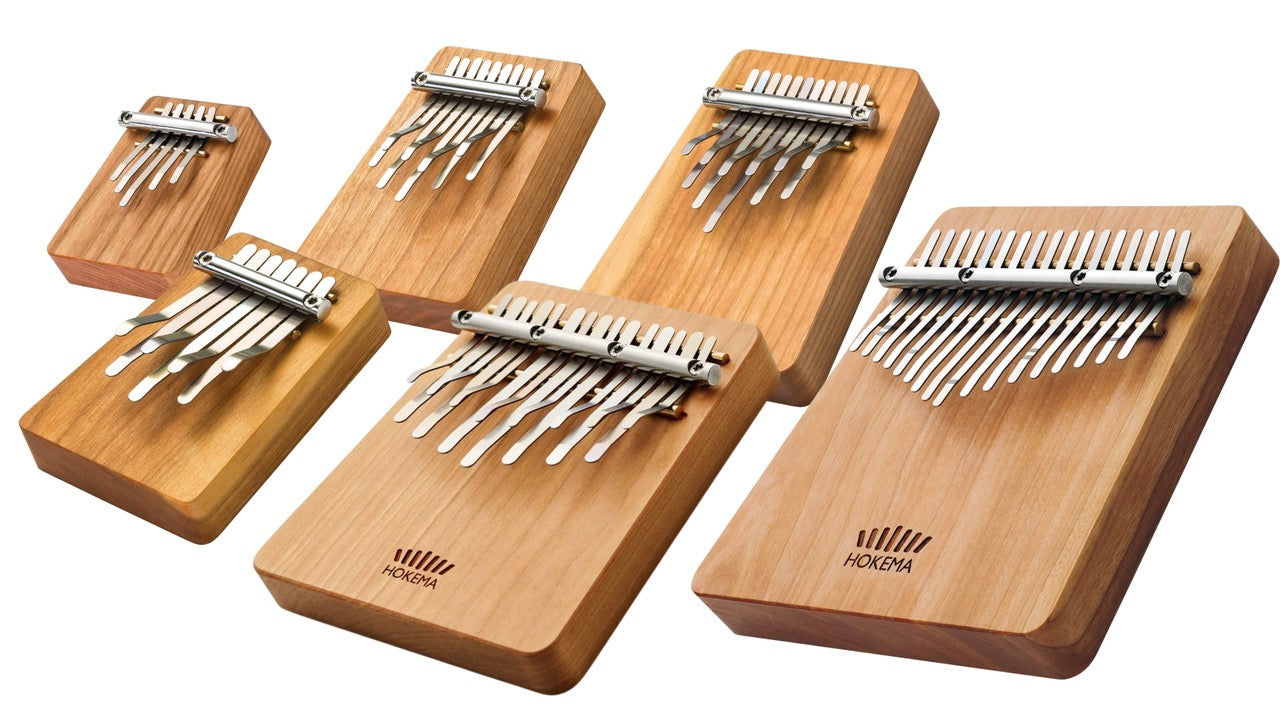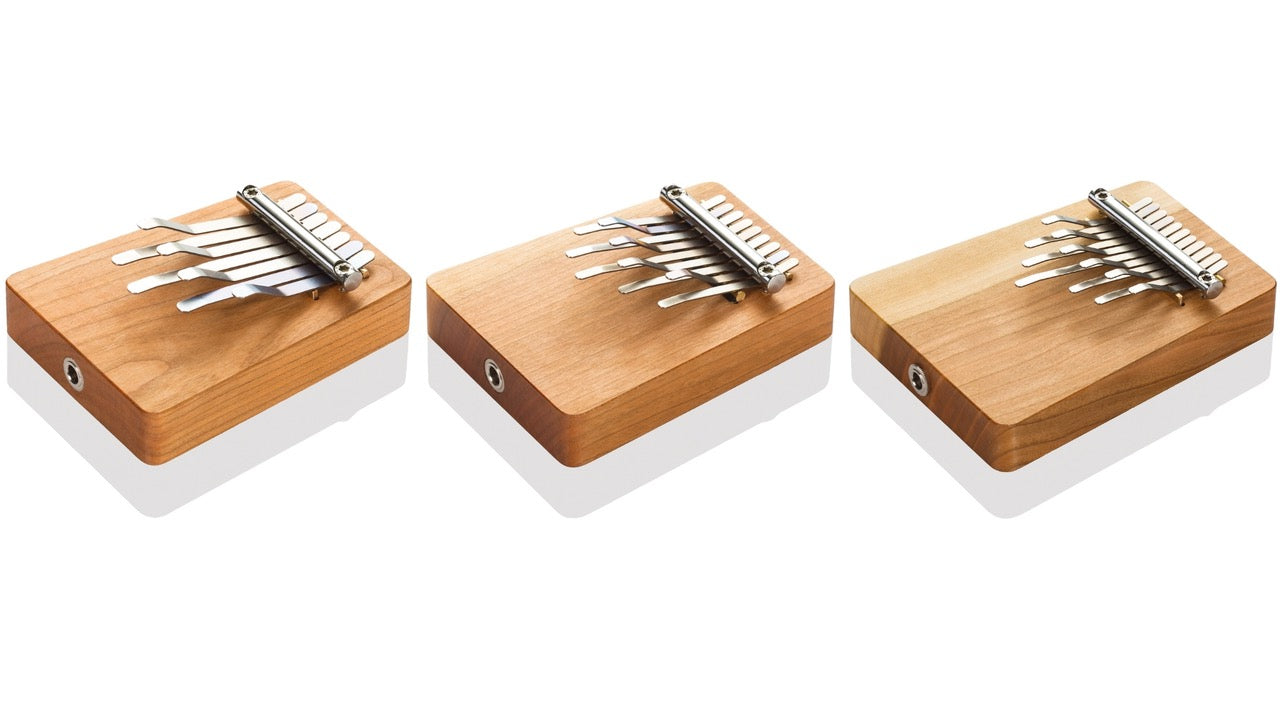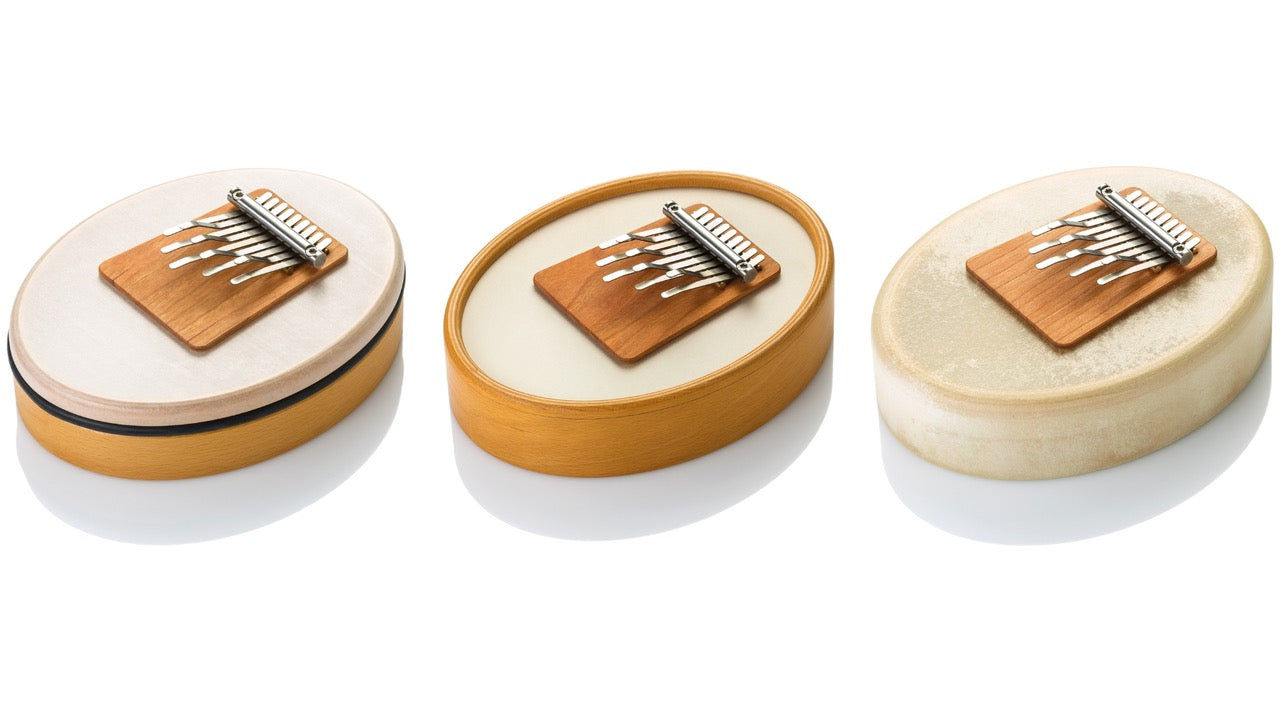

When selecting a Hokema Kalimba, one of the first things people notice is the number of tines — 5, 7, 9, 11, 15, 17. It's easy to assume that more tines mean more possibilities, and therefore a better instrument. But for most players, especially beginners and sound practitioners, tuning is the more important choice.
The number of tines determines the range of available notes, how many melodic variations are possible, the physical size of the instrument, and the complexity of playing patterns. More tines can offer more melodic options — but they also introduce more decision-making. For beginners and sound practitioners, more notes don't always mean more ease.
Tuning determines the emotional atmosphere of your playing, whether the notes harmonize effortlessly, how intuitive and "safe" the instrument feels to play, and how well it blends with other instruments. A well-chosen tuning ensures that every note naturally belongs together.
For example:
The tuning shapes the entire emotional field of your session.
In a sound bath context, the kalimba is often used to add gentle melody, create moments of clarity within drone textures, support integration and grounding, and guide participants back from deep states. A simpler tuning with fewer notes can actually feel more spacious and intentional. More tines can create more mental engagement for the player — which may not align with a meditative setting.
In musical performance, a larger range may be desirable for complex compositions, faster melodic movement, and dynamic musical expression. In sound healing, consistency, tonal coherence, emotional safety, and ease of intuitive play are often more important than range. This is why many practitioners fall in love with specific tunings — not specific tine counts.
Instead of asking "How many tines does this kalimba have?" try asking:
These questions will guide you toward the right instrument much more effectively than counting tines.
Want to listen to a tour of all the Hokema Kalimba tunings? Watch below:
Not sure which tuning is right for you? Browse our instrument guides or reach out — we're happy to help you find the perfect match.